Editorial desk / games
A working taxonomy of competitive esports
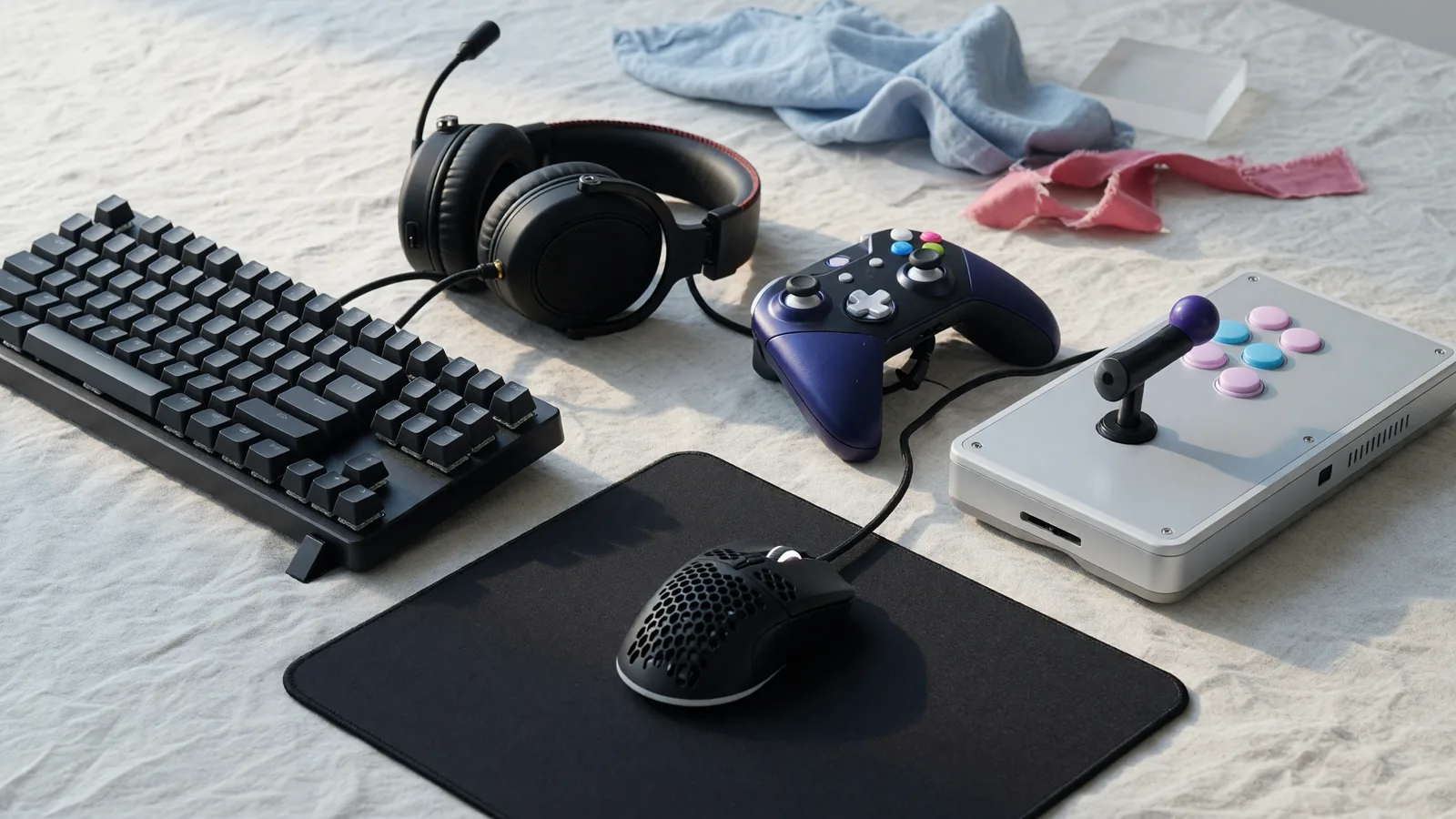
play12 covers five tracks where tournaments, teams, players and patches move on a steady weekly cadence. Each track has its own desk rhythm; the sourcing rules are shared across all five.
01 / taxonomy
The play12 taxonomy is editorial, not promotional. The desk splits competitive esports into five recurring tracks where tournaments, teams, players and patches move on a steady weekly cadence. Each track gets its own desk rhythm; the sourcing rules are shared across all five.
Why five tracks and not six or eight? Because the editorial desk reads the calendar: the five tracks listed below are the ones where a multi-region tournament happens at least once every eight weeks, where a patch note changes the meta at least once a quarter, and where the broadcast partner publishes a public match feed. Tracks that meet only one of those three conditions are not covered here.
The taxonomy is intentionally not exhaustive. New competitive titles are added only after the desk can verify a tournament operator, a licensed broadcast partner and a public patch channel. The next entry to the taxonomy will be added when at least two of those three are public.
02 / tactical FPS
Tactical FPS is the round-based 5v5 archetype. Each round is a small, decisive game inside a larger match. The desk reads three layers: the map pool, the round economy, and the utility pathing. The patch workshop keeps the three layers in step with the latest release notes.
Format primer
Most tactical FPS rounds last 1:55 to 2:30. A match is typically Bo1 in groups and Bo3 in playoffs, with two maps voted out before the first round. Side selection rotates between maps; half-time swaps sides. The format varies by tournament; the desk records the rule book version on every preview.
Map pool
The active map pool is seven maps with two reserves. The pool rotates each patch. The desk publishes the weekly map-pool note every Tuesday; the note carries the source version from the developer patch portal and the date the pool was effective from.
What the desk watches
Three things float to the top of every preview: the trade window at the contact point, the utility bank for the late round, and the retake setup on the post-plant. The reading is not a prediction; it is the editorial ask. The preview separates the sourced facts from the editorial reading.
03 / MOBA
MOBA is the 5v5 lane-and-jungle archetype. The objective is to grind a gold curve, level up the team and break the enemy base. The desk reads the draft, the jungle tempo and the macro rotations. The patch workshop translates the patch notes into the desk's reading.
Draft primer
The draft is the first five picks: three bans per side, two picks per side, then mirror bans and picks. The draft is the language of the match. The desk reads the draft as the input to the macro story, not as the output of the result.
Macro layers
Three macro layers sit on top of the draft: the early-game jungle pathing, the mid-game objective trades, and the late-game siege window. The patch workshop keeps the macro story in step with the latest changes; the desk publishes the patch workshop note every Wednesday.
What the desk watches
The watch list is the draft story, the jungle tempo into the second clear, the vision and tempo exchange, and the closing team-fight. The editorial ask sits on top of the sourced facts; the preview separates the two.

04 / fighting
Fighting games are the 1v1 duel archetype. The match is small, the reads are deep. The desk reads the neutral game, the okizeme and the mix-ups. The patch workshop keeps the tier list honest; the tier note is published every Wednesday after the patch settles.
Format primer
Bo3 is the standard, Bo5 in finals, Bo7 in grand finals of majors. Character select is part of the match. The desk records the rule book version on every preview.
Neutral game
The neutral game is the space between the two players before any move connects. Footsies, dashes, mid-range pokes and the spacing test are the language of the neutral. The desk reads the neutral as the gate to the round, not the round itself.
What the desk watches
The watch list is the neutral read, the okizeme setup, the burst damage window and the mix-up chain. The tier note leads the preview; the editorial reading closes it.
05 / racing
Racing sims are the real-time lap-by-lap archetype. The match is a stint. The desk reads the qualifying lap, the tyre window and the stint pace. The editorial ask is the pace delta, not the final standing.
Format primer
Sprint and feature races take turns on the calendar. The qualifying lap sets the grid; the feature is the longer run with a mandatory pit window. The desk reads the format on the rule book and the calendar.
Tyre window
Tyre sequence and undercut window are the strategic turn. The desk reads the tyre choice as the strategy, not the result. The pace delta is the lap-time story; the stint pace is the strategy story.
What the desk watches
The watch list is the qualifying lap, the tyre choice, the undercut window and the stint pace. The editorial reading leads the preview; the rule book version closes it.
06 / battle royale
Battle royale is the squad-based 60-to-1 archetype. The match is a long game of positioning, rotation and end-game reads. The desk reads the squad composition, the rotation calls and the end-game. The editorial ask is the squad role split, not the kill feed.
Format primer
Multi-game finals accumulate points across games. Survival points and placement points pay at the same time. The desk reads the format on the rule book and the season register.
Zone prediction
Zone prediction is the spatial read at the start of the game. Early rotation and edge play are the high-skill reads. The desk reads the zone call as the strategy, not the result.
What the desk watches
The watch list is the squad role split, the rotation call, the zone call and the end-game. The editorial reading leads the preview; the rule book version closes it.
07 / why this taxonomy
The taxonomy is a working decision, not a permanent list. The desk reads the calendar every quarter; tracks that fall off the calendar are flagged, tracks that rise are added. The next entry will be added when at least two of the three public signals are met.
Three signals
First, a tournament operator publishes a public schedule at least two seasons out. Second, a licensed broadcast partner publishes a regional mirror and a replay window. Third, a developer publishes a public patch channel with weekly notes. A track qualifies for the taxonomy when at least two of the three signals are public.
What the desk does not cover
The desk does not cover solo-story arcade games, single-player speed-run communities or community tournaments without a licensed broadcast partner. The desk does not cover casino-style wagering products, prediction markets or live odds feeds. The taxonomy is editorial, not promotional.
08 / evidence
The taxonomy is sourced from the operator channels, the developer patch portals and the broadcast partner schedules. The desk does not source from community tier lists, fan rankings or stat line scrapers. The tier-one source is the only source for the taxonomy.
Where a tier-one source is missing, the track is not added to the taxonomy. The desk waits for the source. The desk accepts tips and corrections through the contact page.
09 / questions
Reader questions, answered plainly
Why five tracks and not more?
The five tracks are the ones where a multi-region tournament happens at least once every eight weeks, where a patch note changes the meta at least once a quarter, and where the broadcast partner publishes a public match feed. Tracks that meet only one of the three are not on the desk.
How is a new track added?
The desk adds a new track when at least two of three public signals are met: a tournament operator with a public schedule, a licensed broadcast partner, and a developer patch channel. The next entry will be added when the conditions are met.
Why is the taxonomy not exhaustive?
Exhaustive lists are not editorial; they are catalogues. The desk writes to the source it holds. The taxonomy is a working list that rises and falls with the calendar.
What does the desk not cover?
The desk does not cover solo-story arcade games, single-player speed-run communities, community tournaments without a licensed broadcast partner, casino-style wagering products, prediction markets or live odds feeds.